Bankruptcy & Taxes: Separating Fact from Fiction
Money problems can quickly become stressful, especially when taxes and debt are involved at the same time. Many people believe that filing for bankruptcy automatically eliminates every tax obligation, while others think tax debt can never be addressed through the legal process. The truth is much more balanced. Understanding how these two areas work together can help you make better financial decisions and avoid costly mistakes.
At Hikaru Services, we understand how confusing financial matters can feel when different rules seem to overlap. Learning the facts behind bankruptcy and taxes can help you separate common myths from reality and prepare for the next steps with greater confidence.
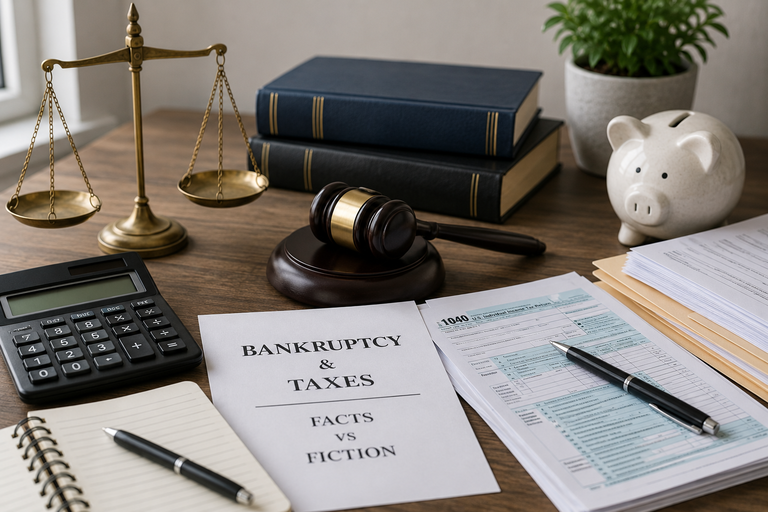
Understanding The Connection Between Financial Relief And Tax Obligations
Many people assume that bankruptcy and taxes have nothing in common, but they are often closely connected. The outcome depends on several legal and financial factors, including the type of debt, when it was created, and whether tax returns were filed correctly.
Knowing the relationship between these issues allows you to make informed decisions rather than relying on rumours or outdated information. Every situation is different, which is why understanding the basics is an important first step.
Key points to understand include:
Bankruptcy does not automatically remove every tax debt.
Certain tax obligations may still need to be paid.
Filing requirements continue even during financial hardship.
Different bankruptcy chapters follow different rules.
Proper documentation plays an important role.
Common Myths That Often Create Confusion
There are many misconceptions surrounding bankruptcy and taxes. Unfortunately, believing these myths can delay important decisions or cause unnecessary stress. Learning the truth helps people focus on realistic solutions instead of misinformation.
Financial laws are designed with specific requirements, so every case deserves careful evaluation. Separating fact from fiction allows you to understand what options may actually be available.
Some common myths include:
Filing bankruptcy removes every financial obligation.
Tax agencies immediately stop all collection efforts forever.
Filing means losing every personal asset.
Bankruptcy permanently prevents future financial success.
Taxes and bankruptcy never affect one another.
What Types Of Tax Debt May Qualify For Relief
Not every tax debt is treated the same way. Several factors determine whether certain obligations may qualify for discharge under bankruptcy laws. These rules often consider the age of the debt, filing history, and other legal requirements.
Understanding these qualifications helps individuals avoid unrealistic expectations while recognizing opportunities that may exist.
Factors that may influence eligibility include:
The age of the tax debt.
Whether tax returns were filed on time.
The type of tax involved.
Whether fraud or intentional evasion occurred.
Compliance with legal filing requirements.
If you would like to understand available financial options better, explore our guide on how bankruptcy assistance may help resolve debt problems.
Filing Returns Still Matters
Even during financial hardship, filing tax returns remains important. Some people mistakenly avoid filing because they cannot immediately pay what they owe. In many situations, failing to file creates additional complications that may reduce future options.
Maintaining accurate records and meeting filing deadlines whenever possible helps support a stronger financial position. It also makes future legal reviews much easier.
Good practices include:
File returns even if payment cannot be made immediately.
Keep copies of every tax document.
Save notices received from tax authorities.
Organize financial records carefully.
Stay informed about filing deadlines.
A bankruptcy legal assistant may also help organize documents and prepare information needed during the filing process.
Different Bankruptcy Chapters Handle Taxes Differently
Not every bankruptcy filing follows the same process. Different chapters are designed for different financial situations, and tax obligations may be treated differently depending on the type of case.
Understanding these differences helps you develop realistic expectations before beginning the legal process. Carefully reviewing available options can prevent unnecessary surprises later.
Important differences include:
Repayment structures may vary.
Some debts remain protected differently.
Asset treatment depends on legal rules.
Court requirements differ between chapters.
Eligibility standards are not identical.
Timing Can Make A Significant Difference
One of the most overlooked factors involves timing. The age of tax debt often affects whether it may qualify for discharge. Filing too early or too late could change available options.
Because deadlines and legal timelines matter, reviewing your complete financial history before filing is always beneficial. Careful planning often leads to better long term outcomes.
Timing considerations include:
Filing dates for tax returns.
Assessment dates for tax debt.
Collection timelines.
Previous payment history.
Court filing schedules.
Many individuals seek professional guidance to assist with bankruptcy planning before making final decisions.
Records And Documentation Matter More Than You Think
Financial paperwork often becomes one of the most valuable resources during bankruptcy proceedings. Missing documents may slow the review process or create unnecessary complications.
Keeping organized financial records helps provide a clear picture of your situation while supporting accurate legal filings. Even older tax documents can become important depending on your case.
Helpful documents include:
Tax returns.
Income statements.
Payment records.
Tax notices.
Financial account information.
How Bankruptcy Can Affect Future Tax Responsibilities
Bankruptcy does not eliminate your responsibility to file future tax returns. After completing the process, you continue following normal tax rules just like everyone else.
Many people rebuild their finances successfully after bankruptcy by staying organized and maintaining healthy financial habits. Learning from past challenges often creates stronger long term financial stability.
Positive habits include:
Filing taxes on time.
Keeping organized financial records.
Creating realistic budgets.
Monitoring financial obligations.
Building emergency savings gradually.
Some individuals also explore a bankruptcy assistance program to better understand educational resources and available support throughout the recovery process.
Mistakes That Can Lead To Bigger Financial Problems
Small mistakes can sometimes create larger financial challenges. Rushing into bankruptcy without understanding tax consequences may result in unexpected outcomes.
Taking time to gather accurate information and reviewing your financial situation carefully helps reduce avoidable risks. Every financial decision should be based on facts rather than assumptions.
Common mistakes include:
Ignoring tax notices.
Missing filing deadlines.
Assuming every debt qualifies.
Losing important paperwork.
Delaying professional guidance for too long.
Build A Stronger Financial Future With Confidence
Financial setbacks do not have to define your future. Understanding the relationship between bankruptcy and taxes allows you to make informed decisions based on facts instead of common myths. Every financial situation is unique, and taking time to learn your options can make the entire process less overwhelming.
At Hikaru Services, we believe that accurate information is one of the most valuable tools for rebuilding financial stability. Contact us today to learn more about your available options and take the next step toward a more confident financial future.