Red Flags in Debt Consolidation Firms: How to Avoid Scams and Choose Safely
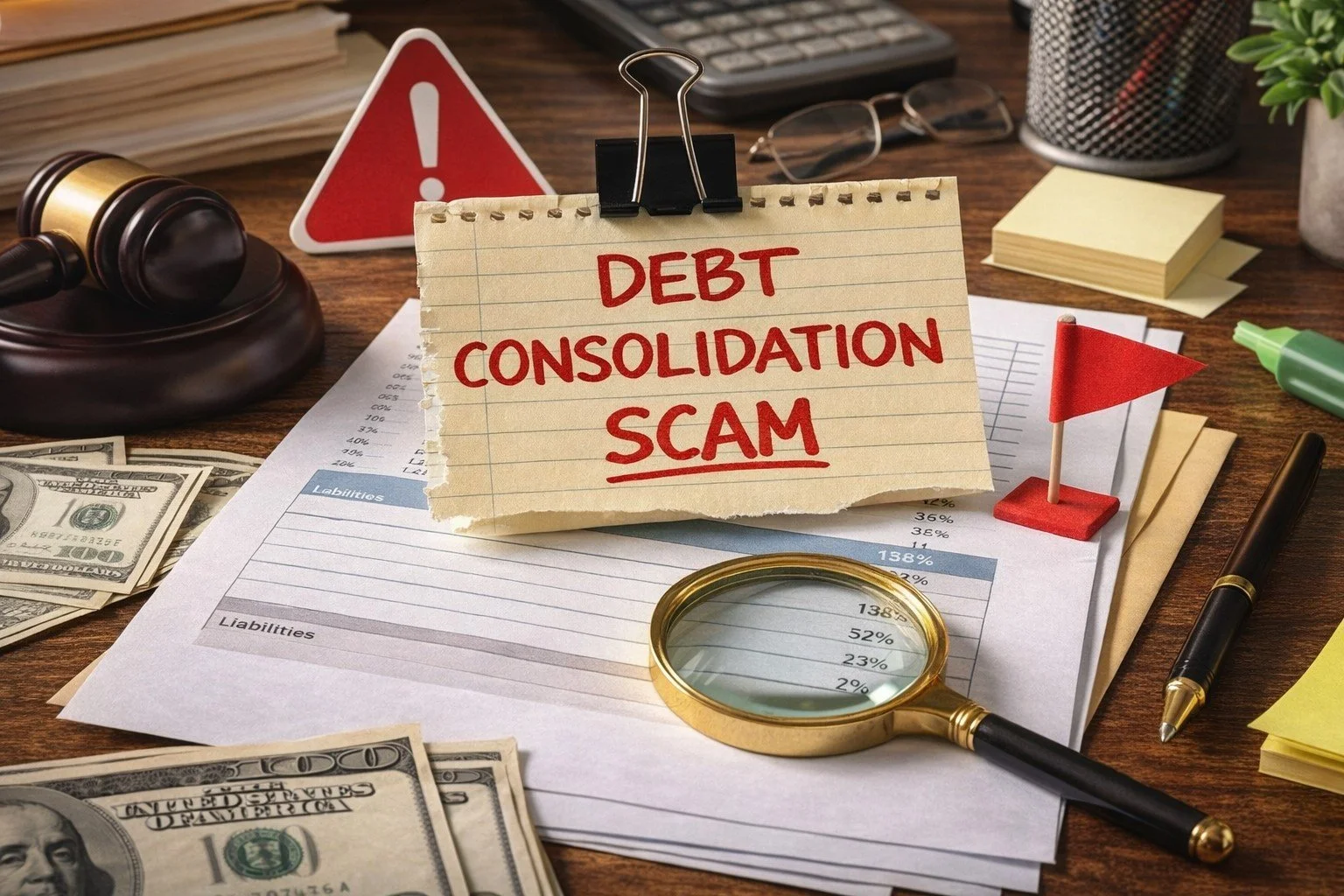
Managing multiple debts can feel overwhelming, and many turn to debt consolidation firms for relief. While these services can provide a path toward financial stability, not all firms operate ethically. Some target financially stressed consumers with deceptive promises or hidden fees. At Hikaru Services, we prioritize helping clients recognize warning signs and choose trustworthy providers.
Understanding the risks, knowing how to identify scams, and comparing multiple companies carefully can save you money, time, and stress. This guide explores common red flags, safe practices, and tips to find reliable debt consolidation assistance.
What Are the Common Risks in Debt Consolidation Firms?
Debt consolidation can simplify finances, but it is not without risk. Unscrupulous companies exploit vulnerable consumers by charging upfront fees, misrepresenting services, or providing incomplete solutions. Being aware of potential pitfalls allows you to make smarter decisions.
Consumers must evaluate every firm carefully, looking for transparency, licensing, and clear communication.
Firms guaranteeing instant debt elimination
Requests for upfront payments before service
Lack of proper licensing or regulation
Pressure tactics to sign contracts quickly
Poor or fake customer reviews
How Can You Identify a Legitimate Debt Consolidation Service?
Not all debt consolidation providers are created equal. Legitimate firms provide debt consolidation service transparently, clearly outlining fees, timelines, and expectations. They follow legal requirements and avoid unrealistic guarantees.
Checking credentials, asking for references, and reviewing contracts are essential steps before committing.
Verify licenses and registrations
Request detailed written agreements
Review customer feedback on independent sites
Ensure personalized debt consolidation assistance
Confirm upfront costs and terms
What Red Flags Should Consumers Watch Out For?
Red flags are warning signs that a company may not act in your best interest. Recognizing these early prevents financial harm and stress. Aggressive marketing, vague terms, and guarantees that sound “too good to be true” are typical red flags.
Consumers should remain vigilant and question any suspicious behavior.
Promises of “instant debt-free” status
Hidden fees or vague pricing
High-pressure sales tactics
Requests for unusual payment methods
Refusal to provide written documentation or references
Why Is Understanding Fee Structures Important in Bill Consolidation Service?
Transparent fees are crucial when choosing a bill consolidation service. Hidden charges or excessive upfront payments can trap clients in a cycle of debt rather than resolving it. Knowing exactly what you are paying for is essential.
Credible firms provide a clear breakdown of all costs, including service fees, administration fees, and interest rates, allowing you to plan your finances effectively.
Detailed explanation of upfront and monthly fees
Clear differentiation between service charges and loan costs
No retroactive or hidden penalties
Written documentation for all expenses
Comparison with multiple reputable firms
How Do Debt Consolidation Assistance Programs Work?
Debt consolidation assistance programs combine multiple debts into a single manageable payment. This simplifies finances and may reduce overall interest, but not all firms follow best practices. Understanding program operations is critical before enrolling.
Reliable programs provide ongoing support and negotiate with creditors to create feasible repayment plans.
Combining multiple debts into one monthly payment
Negotiating lower interest rates or flexible schedules
Personalized plans based on income and budget
Ongoing guidance and monitoring
Adjustments as needed to ensure success
What Are the Risks of Debt Relief Consolidation Scams?
Scams in the debt relief industry are unfortunately common. Fraudulent firms may promise instant debt elimination, charge large upfront fees, or fail to deliver services. These scams can worsen financial situations and damage credit scores.
Recognizing the risks before signing contracts is essential for protecting your finances.
Upfront payments before services begin
Guarantees of immediate debt forgiveness
Fake or unverifiable company addresses
Aggressive telemarketing or online pressure
Lack of written contracts or legal documentation
How Can You Compare Multiple Debt Consolidation Firms Safely?
Comparison is key to avoiding scams. Evaluating multiple companies helps you identify the best fit based on transparency, fees, and customer feedback. Using a checklist ensures a systematic approach to decision-making.
Create a checklist of services and fees
Verify licenses and affiliations
Read independent testimonials
Request written estimates and contracts
Evaluate responsiveness and communication quality
Why Is Reading Reviews and Testimonials Crucial?
Customer reviews provide real-world insight into a firm’s reliability and performance. They reveal patterns of service quality, responsiveness, and ethical conduct. Consistent positive reviews indicate trustworthy bill consolidation service providers.
However, beware of overly polished or suspiciously uniform reviews. Cross-referencing multiple sources is recommended.
Look for verified reviews on independent platforms
Identify recurring complaints or praise
Assess long-term client satisfaction
Evaluate responsiveness to negative feedback
Determine professionalism and transparency
How Do Regulatory Bodies Protect Consumers?
Government agencies regulate debt consolidation firms to ensure ethical business practices. These regulations require transparency in marketing, contracts, and client management. Licensed firms comply with these rules, providing protection for consumers seeking debt consolidation assistance.
Understanding regulatory oversight helps you verify legitimacy and avoid fraudulent operators.
Licensing requirements at state and federal levels
Mandatory disclosure of fees and terms
Oversight of marketing and advertising
Protection from deceptive activities
Guidelines for ethical debt negotiation
When Should You Seek Professional Financial Advice?
Professional guidance is vital before committing to any debt relief consolidation program. Licensed counselors or financial advisors provide unbiased analysis and help identify legitimate firms. They ensure that your chosen plan aligns with long-term financial goals.
Comprehensive review of debts, income, and expenses
Guidance on alternatives to consolidation
Risk assessment for debt relief programs
Customized recommendations based on financial situation
Verification of firm credibility and licensing
How Can Consumers Choose Debt Consolidation Services Safely?
Choosing a safe and effective debt consolidation service requires research, awareness of red flags, and professional guidance. Avoid firms with aggressive sales tactics or unrealistic promises. At Hikaru Services, we provide ethical, transparent, and tailored debt solutions to help clients regain control of their finances. Whether you are considering a debt consolidation service, bill consolidation service, or debt consolidation assistance, always compare providers, verify credentials, and seek professional advice. Contact us today to start your journey toward financial stability with trusted support.
Frequently Asked Questions
-
Debt consolidation combines multiple debts into one loan with a lower interest rate, while debt settlement negotiates to reduce the total amount owed.
-
Verify licensing, review customer testimonials, request written contracts, and consult regulatory bodies like the BBB or state agencies.
-
Typically yes, reputable firms rarely require large upfront payments before services begin. Small disclosed administrative fees are acceptable.
-
It may have a short-term impact but can improve credit over time if payments are made on schedule.
-
Some are safe, but verify licensing, contracts, and reviews before engaging any online service.